
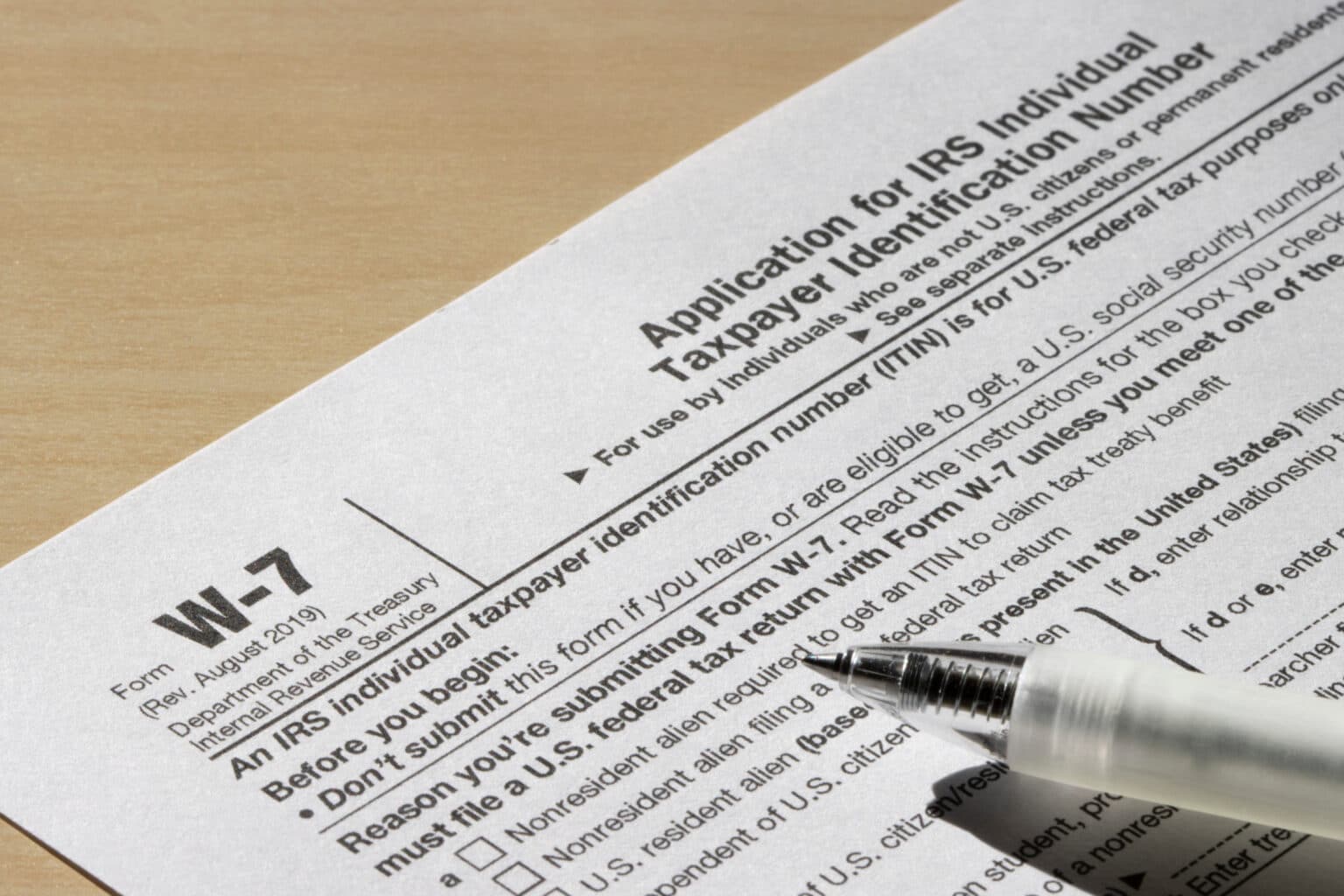

First-year business owners usually underestimate how many documents are needed to file accurately. Collecting records early avoids rushed corrections and gives your tax preparer enough context to identify compliance issues before deadlines arrive.
Documents to gather first
- Entity formation paperwork and EIN confirmation
- Business bank statements and merchant processor reports
- Payroll summaries, W-2s, 1099s, and contractor agreements
- Loan statements, fixed asset invoices, and lease documents
- Sales records, resale certificates, and prior notices from tax agencies
Common compliance gaps in early-stage businesses
Many new owners mix personal and business expenses, fail to track startup costs separately, or miss local registration requirements. These gaps can affect deductions, bookkeeping accuracy, and the timing of future filings.
A simple document checklist improves both compliance and advisory planning. It allows your accountant to discuss payroll timing, reimbursement policies, and bookkeeping systems before errors compound.

Leave a comment